Container Gardening Vegetables Pot Size: What Fits in a Bucket, a Pot or a Grow Bag
By Patio Pot Garden · Updated 2026-11-16
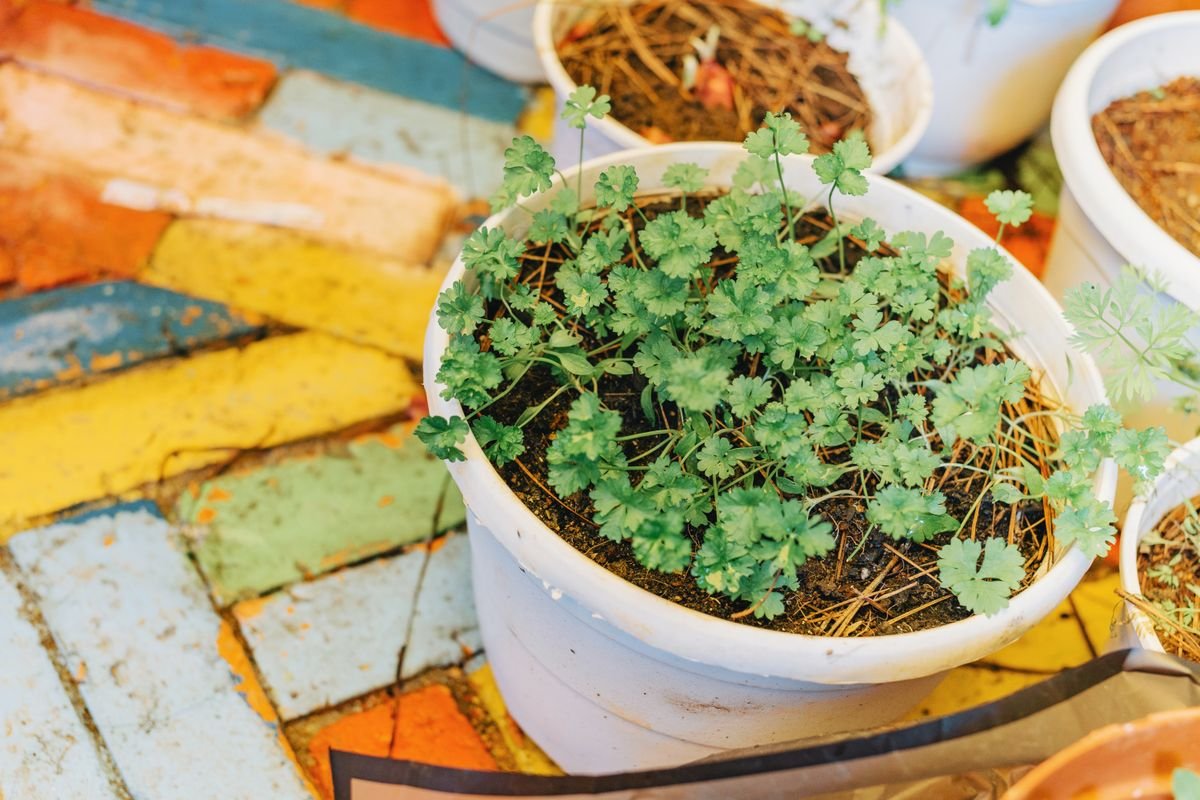
You can grow real food on a patio, a deck or a balcony. The first thing that goes wrong for most beginners is the pot: too small, no drainage holes, or filled with the wrong dirt. This guide gives you the pot size for each vegetable, taken from university extension pages, plus a chart of where those pages disagree and a shopping list you can take to the store.
First, count your sun
Pot size matters less if the spot is too dark, so count your sun before you buy anything.
Illinois Extension defines full sun as at least six hours of sunlight and partial shade as four to six hours.
Oregon State Extension says vegetables grown for their fruit, such as tomatoes, green beans and peppers, require 6 to 8 hours of direct sun daily.
Oregon State Extension adds that leafy and root crops, such as lettuce, beets, cabbage and mustard greens, tolerate some light shade.
Watch your balcony or deck for one day and write down how many hours of direct sun it gets. Fewer than six hours? Leave the tomatoes for another year and start with lettuce, beets, cabbage or mustard greens.
Any container works if it drains
You do not need fancy pots. Oregon State Extension says almost any container will work if it has good drainage, and lists traditional pots, bushel baskets, metal drums, gallon cans, fabric grow bags, plastic tubs, wooden boxes and clean, well-rinsed bleach jugs (cut off).
University of Nebraska–Lincoln Extension adds buckets, baskets, boxes and "found" or repurposed materials, with one rule for all of them: all containers require drainage holes punched or drilled in the sides near the bottom.
The Nebraska example is that a one-gallon container should have three to four ¼-inch drainage holes.
Oregon State Extension suggests drilling the holes along the side about ½ inch from the bottom, and lifting the pot on bricks or wooden slats so it is not sitting directly on concrete or in a saucer of water.
Pot size for each vegetable
Here is the part guides often leave vague.
Illinois Extension lists a container size for each vegetable on its list, with the number of plants or the spacing per container:
- Half-gallon: parsley, 1 plant.
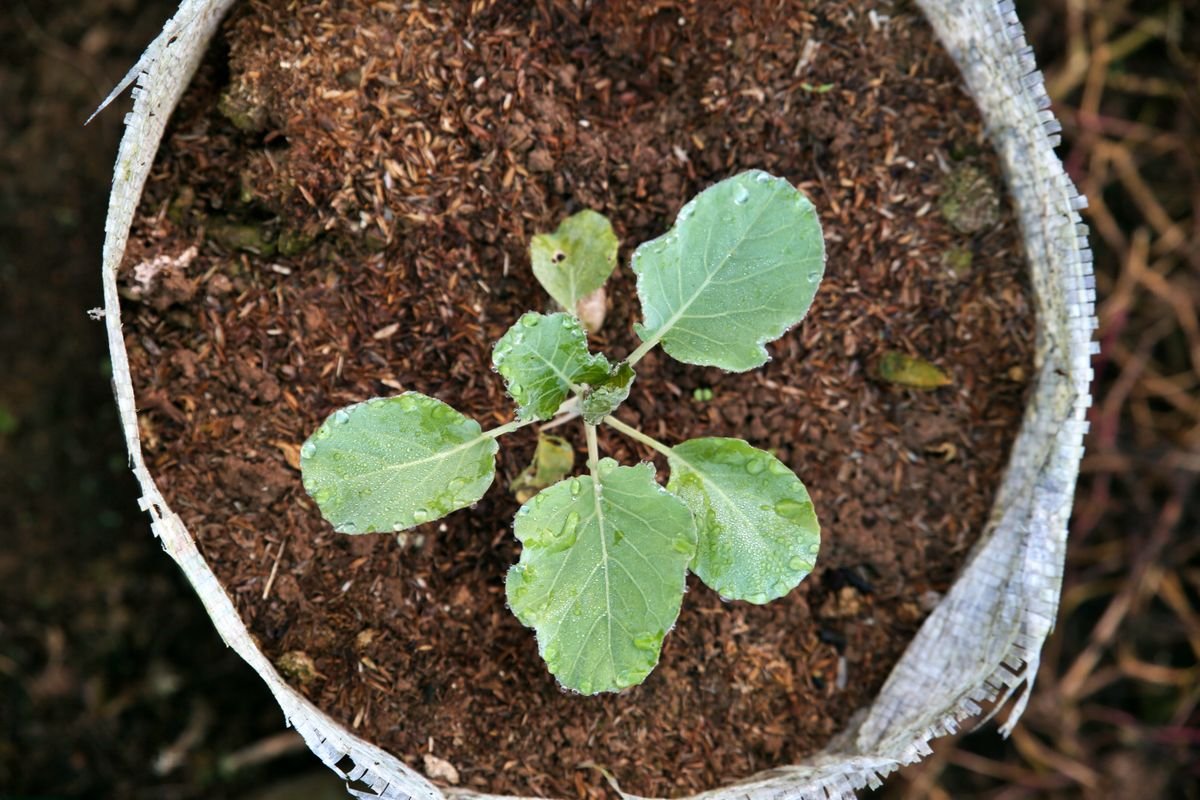
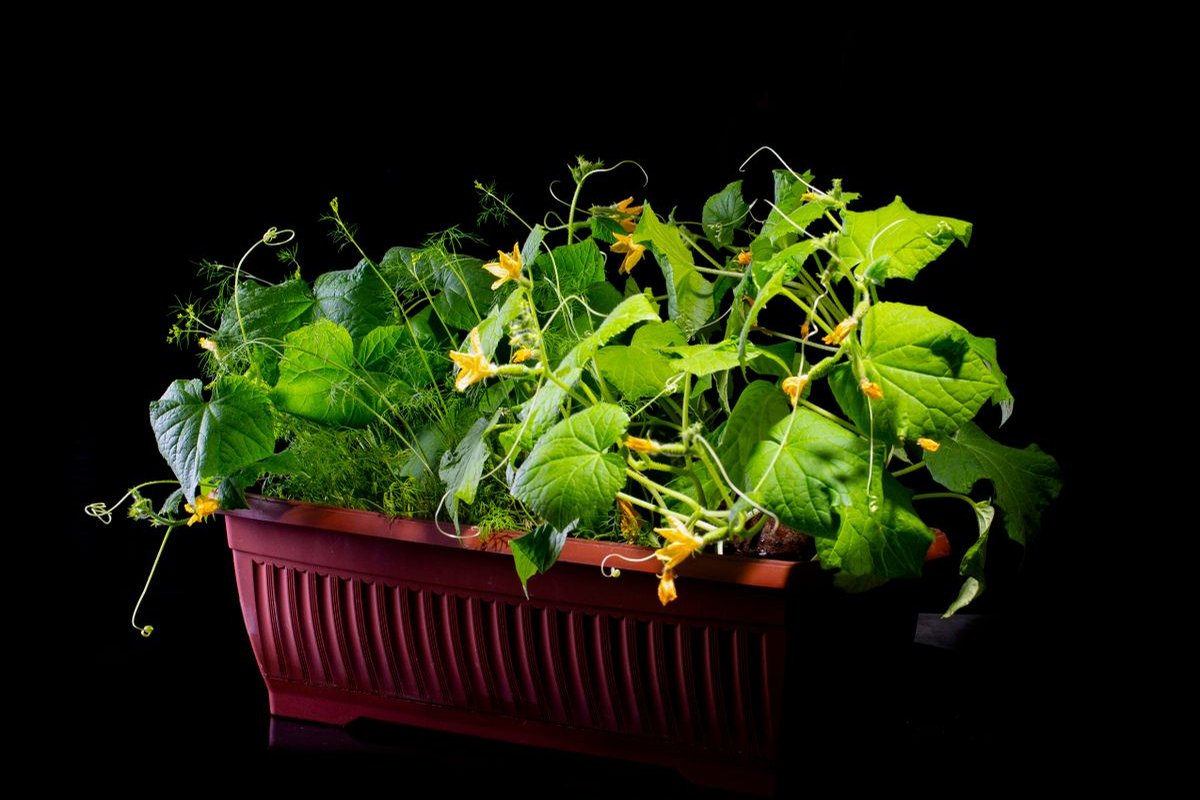
- One gallon: cabbage, 1 plant; cucumbers, 2 plants; green beans, 2 to 3 plants; leaf lettuce, 4 to 6 plants; spinach, seeded and thinned to 1 to 2 inches apart; Swiss chard, 1 plant; cherry and patio tomatoes, 1 plant.
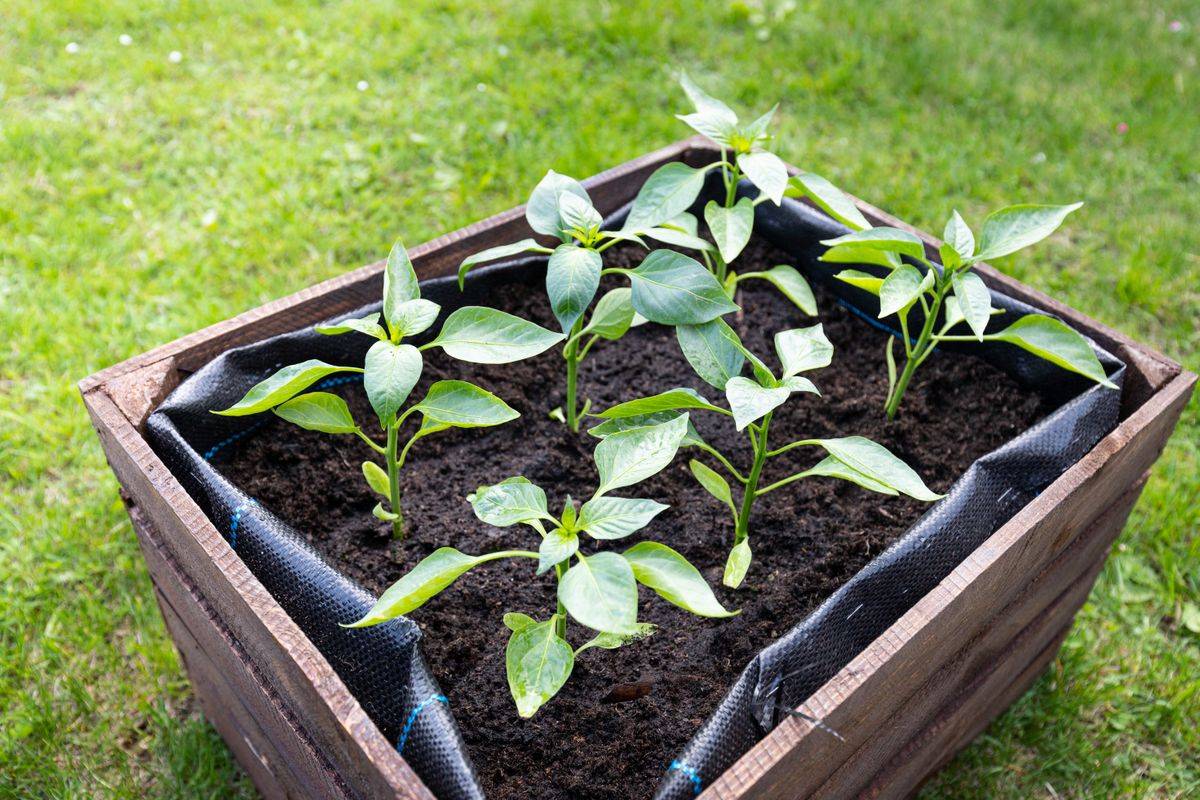
- Two gallons: beets and carrots, thinned to 2 to 3 inches apart; eggplant, 1 plant; peppers, 2 plants; radishes, thinned to 1 to 2 inches apart.
- Three gallons: standard tomatoes, 1 plant.
Illinois Extension also names varieties for those sizes, for example Salad Bush and Spacemaster cucumbers, Little Finger carrots and Pixie cherry tomatoes.
Oregon State Extension recommends dwarf or miniature varieties, such as 'Thumbelina' carrots, for tight spaces.
Oregon State Extension says ten-inch pots are suitable for herbs, parsley and green onions, while larger plants with deeper root systems, including tomatoes, peppers and eggplant, need five-gallon containers.
University of Nebraska–Lincoln Extension explains why a bigger pot is easier: generally, the larger the container, the fewer the planting restrictions, and larger containers also help buffer growing media temperature fluctuations.
Bonus: the two-university pot size chart (and what to buy when they disagree)
Two extension sources do not agree on every crop. Rather than guess, here is the side-by-side, with a plain rule for a beginner: when the two numbers differ, buy the bigger one. The "Buy this" column is our rule of thumb, not a quote from either university.
| Vegetable | Illinois Extension | Oregon State Extension | Buy this |
|---|---|---|---|
| Standard tomato | 3 gallons, 1 plant | 5 gallons | 5-gallon bucket or grow bag, 1 plant |
| Peppers | 2 gallons, 2 plants | 5 gallons | 5 gallons, 1 plant |
| Eggplant | 2 gallons, 1 plant | 5 gallons | 5 gallons, 1 plant |
| Cherry or patio tomato | 1 gallon, 1 plant | Tomatoes: 5 gallons | Bigger is safer: 5 gallons, 1 plant |
| Parsley and herbs | Half-gallon (parsley), 1 plant | 10-inch pot | 10-inch pot |
| Leaf lettuce | 1 gallon, 4 to 6 plants | No size given; tolerates light shade | 1-gallon pot or window box |
| Carrots, beets, radishes | 2 gallons, thinned | No size given | 2-gallon pot |
| Cucumbers, green beans | 1 gallon (cucumbers 2 plants, beans 2 to 3) | No size given; train vining crops on trellises, stakes or railings | 1 gallon plus a stake or trellis |
Where our rule differs from the universities: on standard tomatoes, peppers, eggplant and cherry tomatoes it asks for the bigger of the two sizes, which is a larger pot than the lower number in the chart. On everything else it matches the university figures.
A starter patio from the chart: one 5-gallon bucket for a tomato, one 5-gallon bucket for a pepper, one 2-gallon pot for carrots or radishes, one 1-gallon pot for lettuce, and one 10-inch pot for parsley. That is five containers and a patio that feeds you a salad.
Printable store checklist:
- My sun hours: ____ (6 or more for fruiting crops).
- Every container has drainage holes, or I own a drill.
- Bricks or slats to lift pots off the concrete.
- Bagged potting mix, not garden soil.
- Stakes 2 to 4 feet tall, depending on plant height.
- A fertilizer, or a mix that already contains one.
Skip the backyard dirt
Oregon State Extension says to start with high-quality potting soil or composted soil from a garden center, and to avoid garden soil or topsoil, which can be too heavy and may retain too much moisture.
University of Nebraska–Lincoln Extension agrees that potting media should be lightweight and well-drained, and says clay soils hold too much moisture when wet and tend to pull away from the sides of the container when they dry out.
Nebraska also warns that 100 percent peat moss may be too light to support plants over an entire growing season, and that lightweight containers filled with lightweight growing media may tip over, especially in windy conditions.
For a cheaper homemade mix, Nebraska suggests equal parts peat moss, potting soil and perlite.
Water: more often than you think
Oregon State Extension says soil in containers dries out quickly, especially on patios in full sun, and that daily watering is often necessary.
Oregon State Extension says to water when the top of the soil feels dry and to continue until water runs from the drainage holes.
Nebraska gives a simple moisture check: stick a finger or a screwdriver a few inches into the growing media, and if the media sticks to it, the moisture is adequate.
Nebraska says small containers and metal containers warm up, cool down and dry out more quickly than containers made of other materials.
Nebraska also says a porous container dries out more quickly than a nonporous one, and that unglazed clay is the most widely used porous material.
That is one more reason we suggest the bigger pot whenever two sizes are listed.
Feeding the pot
Check the bag label before you buy: some potting mixes already contain fertilizer and some do not.
University of Nebraska–Lincoln Extension says soil-less growing mediums are sterile and contain few nutrients, so nutrients need to be added if they are not packaged with the growing medium.
Nebraska says that if a growing medium containing fertilizer is chosen, the plants will have enough nutrients for eight to 10 weeks.
Nebraska suggests a balanced slow-release fertilizer such as 10-10-10 or 14-14-14 at ½ tablespoon per gallon of container capacity, so a five-gallon container would need 2½ tablespoons.
Oregon State Extension says vegetables in containers need frequent feeding, with a water-soluble, all-purpose fertilizer every three to four days at half the recommended strength, or a dry fertilizer every three weeks.
Two universities give two schedules, so pick one product and follow its label. Nebraska warns that over-application can burn plant roots and kill plants, because container gardens do not have enough media volume to buffer larger amounts of fertilizer.
Mistakes to avoid
- No drainage holes. Add them before you plant, not after.
- Garden soil in the pot. Too heavy, too wet. Buy bagged potting mix.
- Tomatoes in a small pot. The two lists above start at three gallons and go up to five.
- Pots straight on concrete or in a saucer of water. Lift them on bricks or slats.
- Fruiting plants in too little sun. Below six hours, switch to leafy crops.
- Corn. Oregon State Extension says corn is not practical on a balcony.
Where your zone comes in
Pot size does not change with your zone, but planting dates do.
The 2023 USDA Plant Hardiness Zone Map is the standard by which gardeners and growers can determine which perennial plants are most likely to thrive at a location, and it is based on the average annual extreme minimum winter temperature.
USDA says to enter your zip code in the Quick Zip Code Search box in the map to find the Plant Hardiness Zone at your location.
Most vegetables are planted new each year, so treat your zone as a starting point and match it to the planting dates on your seed packet or from your state extension office.
Plant in waves
Illinois Extension describes succession planting of leafy vegetables such as spinach, lettuce and collards: plant the first batch and leave a space, make a second planting after one or two weeks, and a third planting after another week.
Illinois Extension says that at the end of the growing season you should amend the soil media or discard and replace it with new soil media.
Oregon State Extension says that after harvesting spring and early summer crops, you can replant the same containers with late summer or fall vegetables.
Your next step
Pick one afternoon. Count your sun hours, choose three crops from the chart, buy the containers and a bag of potting mix, and drill the drainage holes before you plant. Then come back to the chart and add a pot a month as you learn what your patio does well.